OptimumNano News | Growth Steel Group Visits OptimumNano To Explore Indonesia’s Electric Mobility Future
Leave a message
On November 18, a delegation from Indonesia's Growth Steel Group (GSG) visited OptimumNano Technology (Jiangsu) Co., Ltd. to discuss opportunities in the electrification of Indonesia's three-wheeler market and small power battery applications. The delegation was led by GSG President Peter Suhendra, accompanied by OptimumNano executives including General Manager Zhang Jianjun, Vice Chairman Zhu Jinling, General Manager Gong Panxing, and Deputy General Manager Lin Wei.
Founded in 1969 by Indonesian-Chinese entrepreneurs Su Yongfa and his father, GSG has grown from steel manufacturing into a diversified modern enterprise covering biomass power, coking, cement, palm oil, food production, feed processing, livestock, and shipping. GSG has established multiple industry benchmarks in Indonesia, including the country's first iron blast furnace and coking plant, annual exports of specialty cast steel worth nearly USD 400 million, and pioneering biomass power generation projects.
During the visit, the GSG delegation toured OptimumNano's showroom and intelligent production lines, gaining insights into the company's innovative battery R&D, manufacturing technologies, and production capacity. Both sides then held in-depth discussions on electrification opportunities in Indonesia's three-wheeler market and small power battery applications.
Indonesia Market: Strategic Opportunities for Electric Three-Wheelers
As Southeast Asia's largest economy, Indonesia faces increasing urbanization, traffic congestion, and air pollution. Electric three-wheelers offer a flexible, cost-effective, and environmentally friendly solution for short-distance passenger and cargo transport, forming a core part of the country's "oil-to-electric" strategy.
The booming e-commerce sector and rising urban logistics demand further strengthen the market potential. Indonesia's urban population is expected to reach 68% of the total population, creating strong demand for efficient last-mile delivery solutions. Electric three-wheelers' relatively easy licensing helps address local driver shortages and supports sustainable urban logistics.
Policy Support: Driving Green Transition
The Indonesian government has introduced incentives to support electric three-wheelers, including purchase and conversion subsidies, corporate tax reductions, import duty exemptions, and the expansion of charging infrastructure. By the end of 2024, 2,800 charging stations were operational, with plans to increase to 10,000 by 2025 and nearly 50,000 by 2030. These policies have driven rapid market growth, with electric vehicle (EV) sales reaching 43,000 units in 2024 (up 152.9% YoY) and over 16,000 units sold from January to April 2025.
Electric three-wheelers are increasingly used across commercial and daily life scenarios, from e-commerce last-mile delivery to short-distance passenger and cargo transport. Major logistics companies such as J&T Express have piloted fleets of 300 electric three-wheelers, boosting daily delivery efficiency by 25%. Local exhibitions have also introduced solar-powered and multifunctional models for passenger, cargo, and specialized operations. The global electric three-wheeler market, valued at RMB 57.2 billion in 2023, is projected to reach RMB 138.4 billion by 2030, with Indonesia emerging as a key growth market.
Addressing Local Pain Points: Technology Matters
Despite strong demand, local challenges persist: residential power is often limited to 1,000 W, and traditional 3–8 hour slow charging cannot meet professional riders' daily 150 km needs. High temperature and humidity, complex road conditions, and durability requirements further stress battery performance.
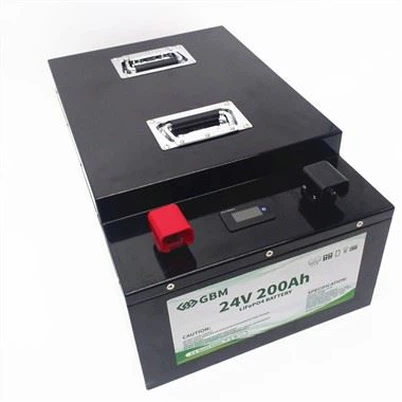
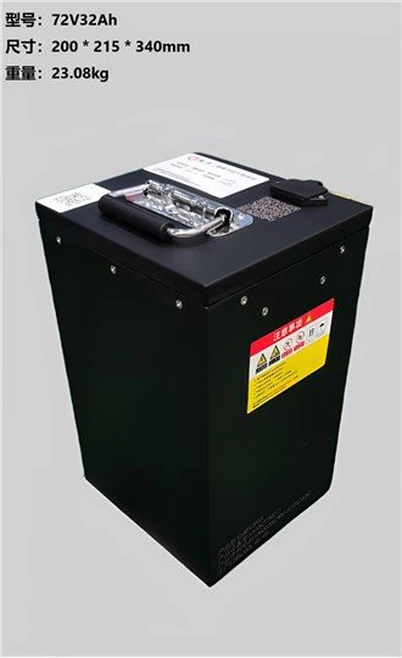
OptimumNano's small power lithium iron phosphate (LFP) batteries are engineered for these scenarios, offering:
Ultra-fast charging: 5C fast charge capability efficiently replenishes energy even under 1,000 W limits.
Long cycle life: Over 2,000 charge cycles, reducing replacement and maintenance costs.
High safety: Five-layer protection and IP67-rated waterproofing handle harsh tropical conditions.
Environmental compliance: Cobalt- and nickel-free LFP chemistry with low energy consumption aligns with Indonesia's green policies.
Wide temperature tolerance: Stable performance from high tropical heat to low mountainous temperatures, ensuring reliable range across conditions.
Outlook
Guided by the core mission of advancing new energy battery technologies, models, and services, OptimumNano continues to focus on the small power LFP battery segment. The engagement with GSG represents a key step in the company's Southeast Asia expansion and global strategy. OptimumNano will continue to collaborate with industry partners to deliver market-oriented, customer-centric products, supporting Indonesia's green mobility transformation and establishing a strong presence in the global "oil-to-electric" wave.