

What is Electric Vehicle Battery
An electric vehicle battery is a rechargeable battery used to power the electric motors of a battery electric vehicle or hybrid electric vehicle. They are typically lithium-ion batteries that are designed for high power-to-weight ratio and energy density.
Benefits of Electric Vehicle Battery
Environmental Benefits
Electric vehicle battery are rechargeable and produce zero tailpipe emissions, making them a cleaner alternative to gasoline-powered vehicles. By transitioning to EVs, we can significantly reduce air pollution and greenhouse gas emissions, helping combat climate change and improve air quality in our cities.
Cost Savings
Although the upfront cost of an EV may be higher, the long-term savings can be substantial. EVs have lower operating costs compared to conventional vehicles due to the lower cost of electricity compared to gasoline. Additionally, EVs require less maintenance since they have fewer moving parts and don’t require oil changes.
Energy Efficiency
Electric vehicle battery are highly efficient in converting stored energy into motion. They have higher energy conversion rates compared to internal combustion engines, resulting in better fuel economy and longer driving ranges. This allows EVs to travel more miles on a single charge, reducing the need for frequent recharging.
Renewable Energy Integration
Electric vehicle battery can play a crucial role in integrating renewable energy sources into the power grid. By utilizing smart charging technology, EVs can charge during off-peak hours when renewable energy generation is high, reducing the strain on the grid and maximizing the utilization of clean energy.
Reduced Dependence on Fossil Fuels
One of the main advantages of electric vehicle battery is their ability to reduce our dependence on fossil fuels. As the world moves towards a more sustainable energy future, EVs powered by renewable energy sources can help decrease our reliance on finite resources and enhance energy security.


Why Choose us
Quality Assurance
The products have passed Quality Supervision and Inspection Center of Chemical Physics Power Products, Ministry of Information Industry, 863 Program Laboratory, National Car Quality Supervision and Inspection Center, and meet the safety and environmental protection requirements of CE, UL, UN38.3, CB and so on.
Reputation
A company with a positive reputation is more likely to attract customers. Reputation is built through consistent quality service or products, good customer relations, and reliability.
Customer service
The company offers excellent customer service and support, making it easy for customers to resolve any issues they may have with the product.
Lithium
Lithium-ion batteries internally move lithium ions from one layer, known as the anode, to another, known as the cathode, to generate power. Lithium-ion batters are more convenient to use in electric vehicles because compared to lead-acid or nickel-metal hydride batteries, lithium-ion batteries offer higher energy densities, making it possible to reduce battery size while maintaining storage capacity.
Manganese
Safety is the main reason manganese is used in lithium-ion batteries. Because of its increased energy density properties and reputation for stability, manganese is known to increase capacity and improve driving range. Additionally, manganese reduces the combustibility of electric vehicle battery, which is problematic with lithium-ion batteries that contain cobalt.
Cobalt
Cobalt helps extend the life of batteries, which manufacturers typically guarantee for eight to ten years, and it also guarantees that cathodes do not quickly overheat or catch fire.
Graphite
Graphite plays a critical role in the anode that stores lithium ions. Most commercially available lithium-ion batteries employ graphite due to its good cycle stability and energy density.
Steel
Steel provides the best balance of strength, mass reduction, performance, cost, and environmental impact. Steel is the preferred material for today's automobiles and will continue to be the preferred material for vehicles in the future.
Nickel
Electric vehicle battery contain nickel, jet engine turbines employ nickel alloys, and passenger trains and subways use stainless steel that contains nickel. Materials containing nickel provide improved corrosion resistance as well as dependable and effective electrical and spark systems.
The Different Types Of Electric Vehicle Battery
Cylindrical cells
Perhaps the most commonly used format, cylindrical cells are, like the name implies, self-contained in a cylindrical casing that gives them resistance against mechanical shocks – very similar to your typical household AA or AAA alkaline batteries.
Because of how long this format has been used, cylindrical cells are the most cost-efficient and easy to manufacture. That said, cylindrical cells can be somewhat limited in their power output, which is why EVs with smaller batteries often use prismatic or pouch cells.
Prismatic cells
Unlike cylindrical cells, which are fairly small (about the size of a AA battery), prismatic cells can be up to 20 to 100 times larger. Because they use less material for the casing, prismatic cells can store more energy and deliver higher power, while also managing heat better than cylindrical cells.
While less popular than cylindrical cells, their use has been steadily growing and they may take over a large share of the market in the coming years.
Pouch cells
Pouch cells are encased in a soft plastic casing, making them very efficient in terms of space usage. That said, their fragile casing means they usually require additional protection to prevent mechanical damage to the cells.
How to Extend Electric Vehicle Battery Life
Minimize exposure to extremely high temperatures when parked
Exposure to the extreme heat while parking unplugged is when the frequent danger occurs. An automated temperature control system installed in your electric car will needlessly drain your batteries to keep the temperatures down for optimal efficiency. While this performance should only work when your electric vehicle is on the road using its electric vehicle battery, park your electric car in the shade or plug-in so that its thermal management system functions only using grid power, and make sure a stable range of temperatures during operation either.
Minimize the batteries at 100% state of charge
Electric cars already have installed with a electric vehicle battery management system that avoids them being charged and discharged at the extreme state of charge. Keeping the state of battery charge, from 0 percent to 100 percent , also improves the performance of the battery life of your vehicle. Even though a full charge will give you the maximum operating time, it is never a good idea for the overall lifespan of your battery.
Avoid using fast charging
If your batteries are soon-to-be die out, using a fast-charging is a great convenience. However, it presses so much current into the batteries in a short period which strains your electric vehicle electric vehicle battery and wanes them faster. While it is hard to notice its degradation, eight years of standard charging will give you 10% more battery life compared to 8 years of using fast charging.
Control the optimal electric vehicle battery state of charge during long storage
EVs that are parked or stored with an empty or full battery also degrades the battery. If you do not use your electric car often or having a long trip plan, get a timed charger, and plug it in. Leaving your vehicle at 100 percent while parked at a certain place for a long period, the electric vehicle battery will struggle with preserving its state of charge while you are away. One strategy is to set the charger to keep the charge just above the low mark, not filling it up to the maximum capacity, at an average charge level between 25 percent and 75 percent.
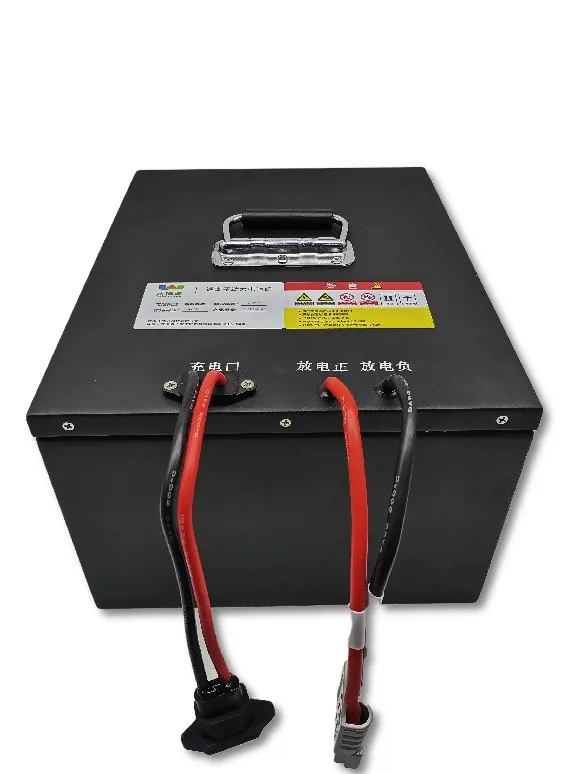
The battery pack in an EV sends electricity to a controller which runs the car's electric motor or motors. Think of the electric vehicle battery as a device that stores chemical energy and converts it into electricity. Inside, the battery is made up of electrochemical cells and each cell has two half-cells that are called electrodes. One of these half-cells is the negative electrode and it holds negatively charged subatomic particles called electrons. The other half-cell is the positive electrode, which contains no electrons at all. When the negative and positive electrodes are connected, the negative electrodes flow to the positive side and this flow is called electricity.
The resulting energy is used to run the electric motor in your EV. As the electrons continue to flow, they eventually slow down and the voltage produced by the battery drops. When the flow has reduced to the point where there are as many positive electrons on the positive side as there are on the negative side, the battery no longer produces an electric flow of current.
Thankfully, electric vehicle battery are rechargeable and by plugging in your car, electric energy is used to reverse the negative and positive halves of the cells, thus restarting the electron flow. Hey, you're the one who wanted to read about how electric vehicle battery work. Sorry if this sounds like a high school science class.
There are three different kinds of batteries used in today's electric cars - lead-acid batteries, nickel metal hydride batteries, and lithium-ion batteries.
Electric Vehicle Battery Buying Guide
Be Proactive
Being attentive to your electric vehicle battery maintenance and mindful when the time for replacement is approaching will ensure that you can choose a replacement on your own terms, including properly researching and conveniently scheduling.
Test Batteries Annually
Inspections should be part of an owner's routine maintenance, but it is especially important to check before taking a long road trip.
True maintenance is largely a thing of the past. Almost all of today's car batteries are "maintenance-free." However, we recommend having your electric vehicle battery load-tested by a mechanic annually once it is 2 years old if you live in a warmer climate or 4 years old if you live in a colder climate. Doing so tests its ability to hold voltage while being used, and the results will let you know when it's time to start shopping.
In addition, check the terminals to ensure the connectors are tight and free from corrosion
.
A Electric Vehicle Battery Should Fit Your Car and Driving Needs
Car batteries come in many sizes. Among those that we have tested, there's significant variation in which is the top performer from year to year, and from size to size. This makes it impossible to make simple recommendations by brand or model. It also means you shouldn't assume that buying the same electric vehicle battery model you are replacing will get you the same results.
Make Sure It's a Fresh Electric Vehicle Battery
Batteries lose strength over time, even when in storage. For optimum performance, purchase one that is less than 6 months old. Three months is even better. Most have a shipping code on the case, as explained above.
Recycle Your Old Electric Vehicle Battery
A electric vehicle battery's toxic lead and acid can easily be recycled, and most retailers will dispose of the old one for you. When buying a new electric vehicle battery at a store, you will probably pay an extra charge that will be refunded when you return the old battery. This serves to motivate the car owner to drop off the old battery. About 90 percent of car batteries are truly recycled, making them a recycling success story.
Compare Warranties
It is important to choose a electric vehicle battery with the longest free-replacement period you can get. A electric vehicle battery's warranty is measured in two figures: the free-replacement period and the prorated period—which allows only partial reimbursement. A code of 24/84, for example, indicates a free-replacement period of 24 months and a prorated warranty of 84 months. But the amount you'll be reimbursed usually drops off pretty quickly once you're in the prorated period.
Jiangsu OptimumNano Energy Co., Ltd. is a professional cylindrical lithium iron phosphate (LiFePO4) battery technology and production capacity platform. We adhere to the "LiFePO4" technical route, focusing on five core application areas: commercial vehicle electrification, energy storage, ship electrification, agricultural machinery electrification, and high-end lead-acid replacement. With a professional team with over 20 years of expertise in LiFePO4 battery technology, products, and processes, we are committed to becoming a more professional LiFePO4 battery technology and production capacity platform. Our independently developed 32800, 38121, and 46800 standard cells feature safety, fast charging, low temperature, and advanced processes, using Tesla's automotive-grade cylindrical cell technology and fully automated production equipment. With an innovative service concept of "serving complete vehicle manufacturers through collaboration with localities, material suppliers, equipment manufacturers, universities, and research institutions," we are dedicated to becoming a more professional LiFePO4 battery technology and production capacity platform.

Company Honor
Jiangsu OptimumNano strictly implements fully automatic production standards for vehicles, such as ISO9001: 2015 Quality Management System, IATF16949: 2016 Quality Management System for Automobile Industry and ISO14001: 2015 Environmental Management System, etc.


